Purchasing Indian Slate Stone for Projects: From Sample Approval to Installation Preparation
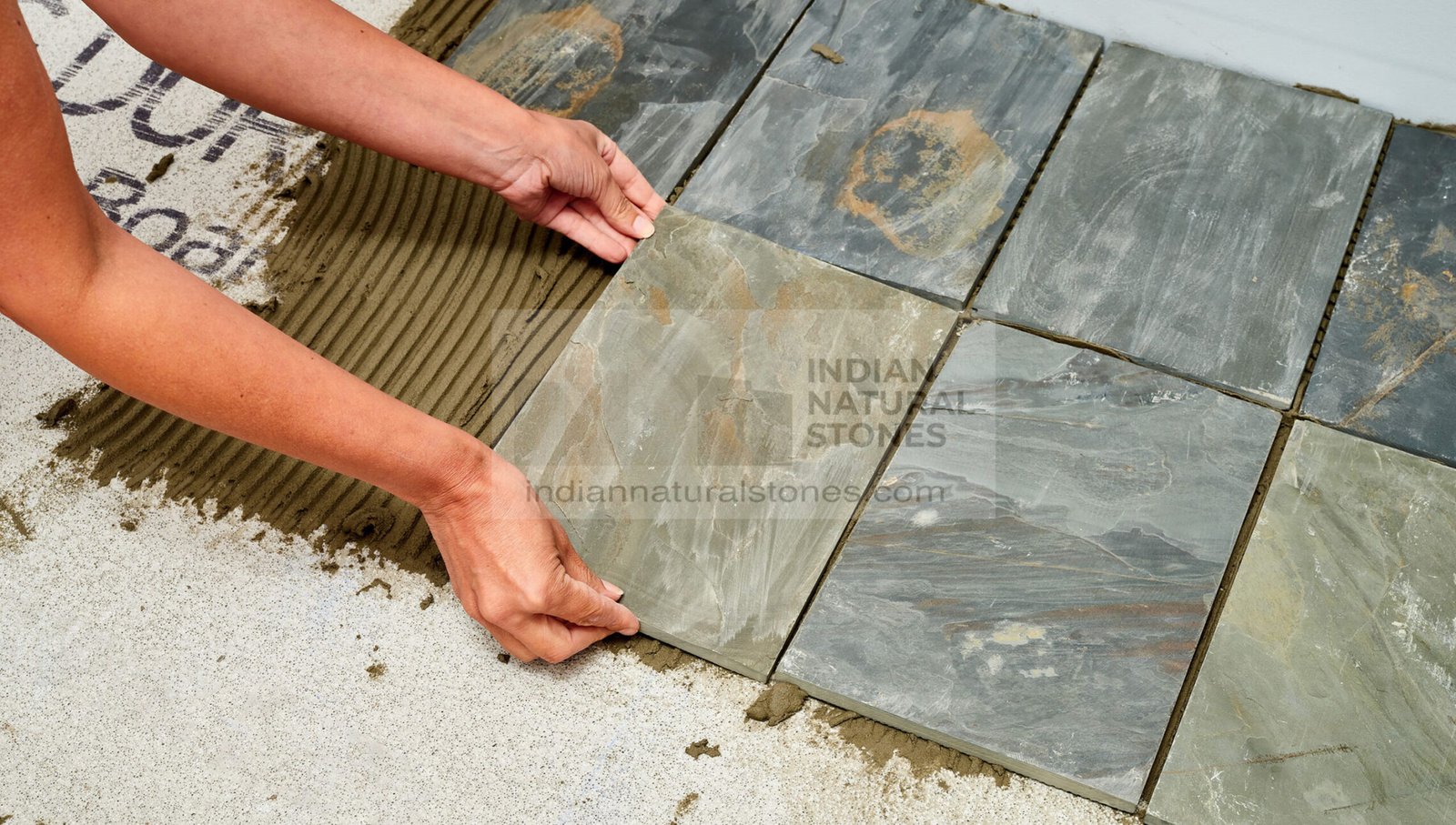
A slate sample can look impressive on a desk, but present an entirely different set of considerations when the same material arrives across several crates. Will the different shades combine naturally across an extensive floor? Are the thickness differences manageable? Will the surface finish work in the proposed environment? For importers, distributors and project buyers, these functional concerns deserve as much attention as the first impression. Selecting Indian slate successfully means establishing the requirements for an acceptable consignment ahead of the production process.
Indian slate offers varied colours, layered textures and formats for architectural and landscaping work. Nevertheless, the commercial product name does not communicate every detail a purchaser needs. A detailed purchasing brief brings together appearance and dimensional requirements, functional expectations, packaging details and installation considerations. This method supports buyers when comparing a slate stone exporter in India based on how clearly the supply arrangements are defined, instead of depending on general marketing statements.
Consider the Stone's Intended Working Conditions First
The initial buying decision should focus on the intended application. An interior feature wall, a frequently used entrance and an uncovered garden walkway create distinct performance demands for the stone. Even if the preferred shade remains the same, the appropriate thickness, finish and acceptance criteria may differ. Purchasers need to determine if the stone will be subjected to regular foot traffic, repeated wetting, outdoor exposure or frequent cleaning.
The structure supporting the stone is equally important. A stone surface positioned over a prepared floor needs a different installation approach than stone elements installed in a vertical position. Roofing introduces another set of requirements and should be assessed as a specialist application. Similarly, material intended for pool surrounds should not automatically be treated as suitable for permanent immersion. Clearly explaining the expected exposure helps Indian slate stone manufacturers to propose a more relevant product specification and identify questions requiring technical assessment.
Check the Meaning Behind the Stone's Trading Name
Natural stone names often communicate colour, appearance or a recognised trading variety. However, these terms may not communicate a scientifically precise geological identity. Some products marketed within Indian slate ranges are also described commercially as quartzite. Buyers should therefore clarify the material identification instead of believing that all products sharing a recognised name possess the same properties.
Names such as Deoli Green, Silver Shine, Silver Grey, Copper and Zeera Green can assist buyers in refining their preferred appearance. Further options, including Indian Autumn, Jak Multicolour, Jak Black, Autumn Rustic and Multi Pink, broaden the available palette. Nevertheless, the buying process should link the commercial name with the delivered stone, agreed reference samples and supporting technical specifications. Such confirmation matters considerably when matching an established product and when reviewing competing quotations from different stone providers.
Assess an Acceptable Colour Range Before Approving the Stone
One sample piece represents just a small part of the material's natural character. It cannot reliably represent every shade, marking or surface feature across an entire bulk consignment. When sourcing Indian slate stone tiles, a stronger approval method involves examining multiple pieces reflecting the anticipated appearance differences. The buyer can consequently decide whether restrained variation or bolder contrast is appropriate for the intended design.
The installation environment influences the appearance of natural variation. A small feature wall may benefit from pronounced colour differences, whereas a large uninterrupted floor might benefit from gentler blending. Buyers should compare several samples under illumination comparable to the final environment. When applicable, examining samples both dry and wet can demonstrate differences in colour intensity. The accepted colour standard should reflect the variation considered suitable, including dark sections, lighter examples and distinctive surface markings which could influence the complete visual arrangement.
Consider Stone Dimensions and Thickness Together
Tile measurements have implications beyond the finished surface pattern. They affect joint planning, cutting, handling together with the extent of on-site correction necessary during installation. Commonly offered formats include squares and rectangles, but availability depends on the material and production arrangement. Buyers need to establish the exact dimensions included in the proposal instead of regarding a catalogue listing as a full technical specification.
Thickness needs equally careful attention. A clearly written purchase requirement needs to define the nominal thickness and allowed differences, together with whether the underside will be calibrated. Calibration may make the installation process easier to organise consistently, but it should not be confused with a perfectly flat exposed face. Naturally split surfaces preserve their characteristic uneven texture. A reliable slate flooring tiles supplier needs to clarify the distinction between these features so that the installer can assess the bedding requirements before delivery.
Choose Surface Texture Around Everyday Use
Natural cleft slate retains the textured appearance associated with its layered structure. This can add character to floors, walls and landscaping, but the amount of relief affects practical use. A strongly uneven face may collect dirt differently, change how securely furniture rests or how comfortable the surface feels without footwear. Choosing the right texture requires understanding how the completed surface will be used.
Honed surfaces, brushed finishes and other processing techniques provide alternative visual effects where the selected material allows them. Purchasers should examine a physical sample showing the intended surface treatment, because a finish name alone cannot communicate the precise surface sensation. Texture alone also does not prove adequate slip resistance. In locations exposed to water or challenging conditions, the relevant assessment should concern the specific stone, finish and expected conditions. Appearance and suitability belong in the same decision.
Consider Slate Wall Cladding as an Integrated Installation
Slate stone wall cladding can introduce visual dimension through varied shades, light and shadow, and irregular surface features. Yet deciding on the decorative face is just one element of the overall installation. Individual stone measurements, thickness and mass determine important handling and fixing considerations. The underlying structure, planned fixing height and surrounding conditions need to be taken into account when designing the complete arrangement.
Corner sections, openings and Slate Flooring Tiles Supplier exposed edges should be considered before confirming material quantities. A cladding design might need return sections, specially cut stones or matching corner treatments that differ from the main field material. Randomly arranged cladding needs clearly established expectations for joint appearance, whereas uniformly arranged tiles require measurements consistent with the design. These specifications should be agreed by buyers before ordering to ensure the delivered stone formats are appropriate for the proposed design. The fixing system should be selected according to the actual project's technical requirements rather than assumed from a decorative sample.
Account for Cutting Losses and Future Repairs When Planning Quantities
A project can run short of stone when the order matches only the calculated surface area once cuts, breakages and layout decisions are considered. The additional quantity required is influenced by the selected laying arrangement, area configuration, stone measurements and the approach used for choosing pieces. A diagonally arranged floor or an area containing several corners may use material differently from a simple rectangular area.
The availability of spare stone requires additional attention. Natural stone supplied later may differ from the original batch, although the same commercial variety name is used. Keeping extra stone from the original order can help replacement sections blend into the existing installation. Distributors also need to consider this challenge when managing stock from several consignments. A wholesale supplier of slate stone should maintain clear distinctions between manufacturing batches and maintain a connection between approved samples and the relevant orders. Such records help purchasers set realistic expectations when restocking an existing product collection.
Use Defined Quality Criteria to Guide Stone Inspection
Quality inspection becomes more useful when purchasers and manufacturers agree on what constitutes acceptable stone. Vague quality requirements expressed as “premium quality” leave too much open to interpretation. Clearer inspection standards address measurements, differences in thickness and edge quality, the visible surface characteristics and approved colour variations. These requirements should separate normal natural characteristics from actual defects.
Quality assessments should examine the wider shipment instead of concentrating solely on specially chosen samples. Dimensional checks, suitable photographs and inspections of several packages can help establish whether production follows the approved brief. Businesses comparing slate stone suppliers in India should clarify the inspection stage and procedures for resolving nonconformities before the stone is packed. Any relevant test information should identify the material assessed. Data obtained from another product variety or finish might not provide reliable answers about suitability for the intended installation.
Match Packing Protection to the Characteristics of the Stone
Packaging must suit the shape, thickness and vulnerability of the supplied pieces. Slender tiles, raised natural surface features and narrow stone strips can need separate protective arrangements. Crating, cartons, dividers and suitable strapping should provide coordinated protection against shifting and damage while being moved. A generic promise of export packing says little about these details.
Pack identification is equally useful. Labels can connect the contents with the stone variety, dimensions, finish, quantity and batch reference. For orders involving various tile sizes or product formats, proper package identification makes it easier for receiving staff to arrange the material without having to unpack each individual container repeatedly. Buyers sourcing Indian slate stone for export should verify packed weights and the arrangements for safe material movement. Workers receiving the shipment must determine if the handling equipment on site can safely unload and move the packed stone to suitable storage.
Evaluate Supplier Quotations Using the Same Product Requirements
Two prices are difficult to compare when the underlying products differ. A quotation might permit greater differences in tile thickness, involve another finish or include a different packaging arrangement. Another may cover a smaller quantity per pack or a different delivery arrangement. The initial price advantage may no longer apply if the specification differences increase shipping, waste or fitting costs.
Using a standardised enquiry provides every prospective natural slate stone exporter can calculate prices against the same requirements. The document should specify the selected material and agreed appearance, measurements, allowable tolerances, finishing treatment, required amount and packing standards. Pricing terms should identify the shipping and material-handling stages covered by the offer. Purchasers should confirm how manufacturing schedules depend on acceptance of samples and any final inspection. A useful quotation describes what will be supplied and under which agreed conditions, allowing purchasers to evaluate competing prices more accurately.
Prepare the Receiving and Installation Teams
A consignment prepared to detailed specifications still benefits from proper arrival planning. Before unpacking begins, the receiving team should understand, package identification details, quality inspection steps and appropriate storage conditions. The receiving team needs to record evidence of damaged packaging, and any product concerns should be documented before the affected pieces are installed. Retaining production batch details makes it easier to relate findings to the initial purchase.
A suitable installation plan should provide for a trial arrangement of the stone drawn from different packs when a blended appearance is intended. This gives the fitting team an opportunity to review the overall distribution of shades while selecting pieces that should be placed in particular areas. Preparing a small sample section also helps determine whether the planned joints and cleaning approach are suitable. Any proposed sealing product or treatment should be evaluated for suitability and potential visual changes using additional pieces before full application. Following these procedures improves the likelihood that the installed stone will resemble the accepted design.
Evaluate Production Capability Through Specific Answers
Working with a slate stone manufacturer in Rajasthan can provide access to a range of materials and finishing possibilities, although geographical location by itself cannot confirm that an order can be fulfilled appropriately. Buyers should focus on whether the proposed manufacturing and supply process can meet the buyer's actual requirements. Detailed explanations of available measurements, finishing options, production batch management and packaging are more useful than unverified claims of superior market position.
Repeat orders require particular attention to consistency. Buyers should establish how the approved reference will be retained and how the supplier will report changes in the stone currently available. Specially requested dimensions and formats may need a manufacturing feasibility check before a design is fixed. An effective supplier relationship rests on shared specifications and realistic expectations. Such an approach simplifies evaluating other options, addressing differences and organising repeat shipments without treating natural variation as an unexpected problem.
Conclusion
A successful Indian slate purchase depends on bringing together the accepted appearance and the practical demands of manufacturing, transport and fitting. Colour range, material identification, dimensions, finish and packaging collectively affect the suitability of the stone for its proposed use. A carefully prepared brief gives buyers a stronger basis when choosing a slate stone exporter in India and evaluating the completed supply. When everyone involved in purchasing and installing the stone uses consistent requirements, natural colour and texture differences become planned elements of the finished appearance and the project can proceed with fewer avoidable uncertainties.